




Huile Précieuse
Escape to the Polynesian islands with the Monoï à la Folie line! A true invitation to travel, it nourishes dry skin thanks to the moisturizing properties of Monoï oil. Close your eyes and let yourself be transported to the heart of the tropics with these skincare products featuring an exotic fragrance and subtly sunny notes.


Type: Shower Gel
Huile Précieuse Silky Shower Gel
CLEANSES & SOFTENS
500ml


Type: Shampoo
Huile Précieuse Enhancing Shampoo
NOURISHES & ENHANCES
400ml


Type: Body Lotion
Huile Précieuse Ultra-Nourishing Body Milk
NOURISHES & ENHANCES
500ml


Type: Body & Hair Gift Boxes
Silky Body & Hair Gift Set Huile Précieuse + Free Scrunchie
NOURISHES & ILLUMINATES
Eternal


Type: Botanical Oil
Huile Précieuse Moisturizing Oil
MOISTURISES & BEAUTIFIES
100ml


Type: Conditioner
Huile Précieuse Detangling & Enhancing Conditioner
NOURISHES & ENHANCES
200ml


Type: Hair Mask
Huile Précieuse Enhancing Hair Mask
NOURISHES & ENHANCES
150ml


Type: Body & Hair Routines
Huile Précieuse Body & Hair Routine
NOURISHES & ENHANCES
8 products
The Range
Huile Précieuse
[img2] in a concentrate of nutrition [img3]
[img2] in a concentrate of nutrition [img3]
Our Monoï Products for Your Daily Routine
Discover Monoï à la Folie's body and hair care products

Our Monoï Products for Your Daily Routine
Discover Monoï à la Folie's body and hair care products
Type: Shower Gel
Huile Précieuse Silky Shower Gel
CLEANSES & SOFTENS
500ml
Type: Shampoo
Huile Précieuse Enhancing Shampoo
NOURISHES & ENHANCES
400ml
Type: Body Lotion
Huile Précieuse Ultra-Nourishing Body Milk
NOURISHES & ENHANCES
500ml
Type: Body & Hair Gift Boxes
Silky Body & Hair Gift Set Huile Précieuse + Free Scrunchie
NOURISHES & ILLUMINATES
Eternal
We want to create "Made in France" products that are affordable and feature natural and vegan ingredients.


Customer Reviews

“Gently exfoliates, leaving skin soft and radiant, with a divine scent”

“I’m thrilled—it smells amazing and lasts a long time. I love it!”

“Very pleasant—my skin feels well-moisturized and soft.”
Discover our products for your daily routine

Huile Précieuse Body & Hair Routine
- Moroccan Argan Oil, Borage Oil, Camellia Oil & Evening Primrose Oil
- Dermatologically tested
- Made in France
Enhance yourself daily with the help of precious oils with restorative and ultra-nourishing properties, with the Huile Précieuse Body & Hair routine. Melting textures with a sunny scent that envelop you in a satin veil, day after day.

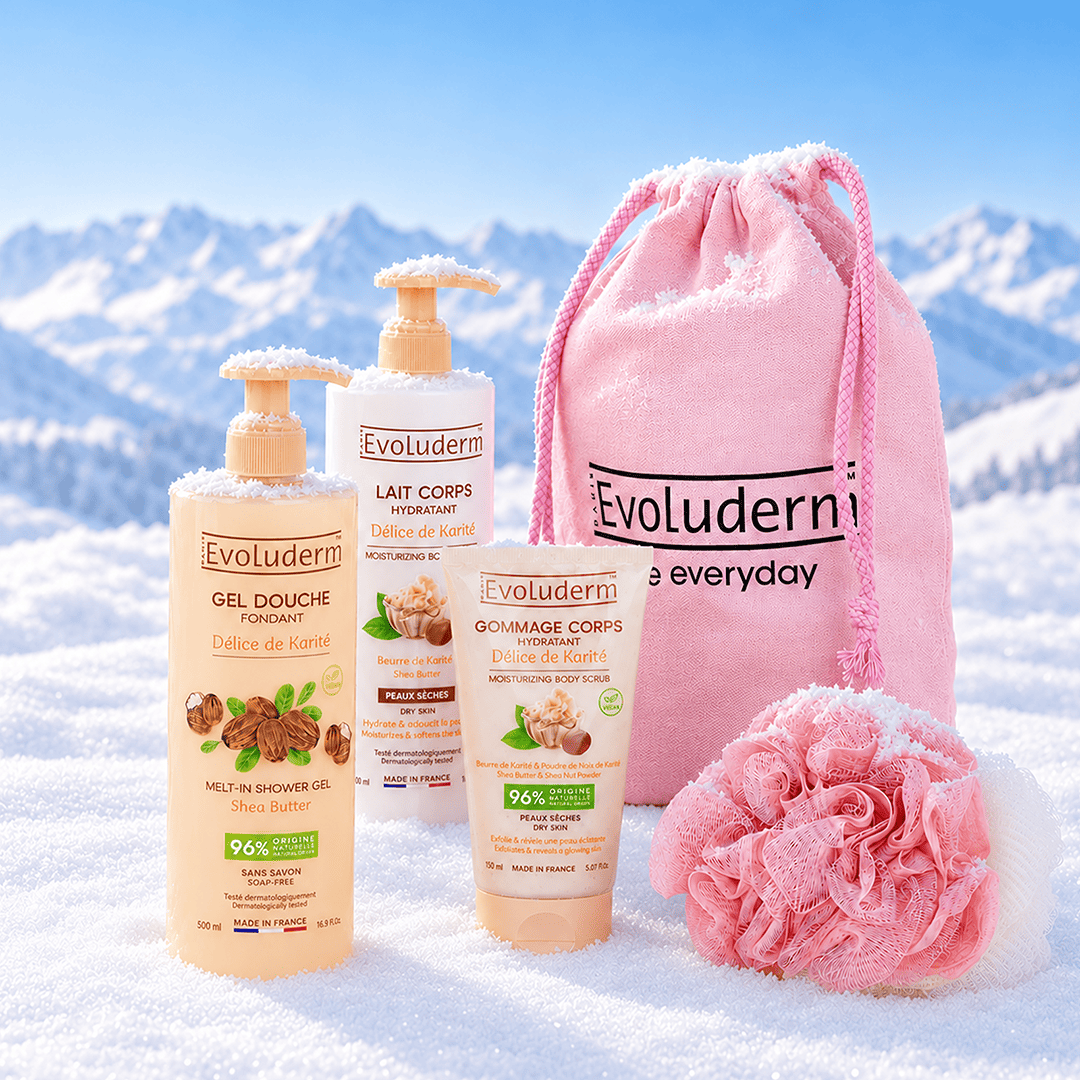
Huile Précieuse Body Pouch
Looking for a gift? Look no further! The Huile Précieuse Body Pouch is the perfect gift! With a Moisturising Body Scrub, a Silky Shower Gel and a Nourishing Body Milk, it offers a complete body care routine for the ultimate moment of well-being.
- Ingredients of natural origin
- Vegan
- Dermatologically tested
- Made in France*
*Excluding pouch

Silky Body & Hair Gift Set Huile Précieuse + Free Scrunchie
- Natural origin formulas
- Made in France
- Dermatologically tested
Enjoy the warmth of a ray of sunshine with the Huile Précieuse Silky Body & Hair Set . These 5 treatments enriched with rare oils moisturize and enhance your skin and hair day after day. Ideal for a birthday, Christmas or Mother's Day gift.
Similar articles

Tight Skin in Winter: Understanding the Signs and How to Address Them
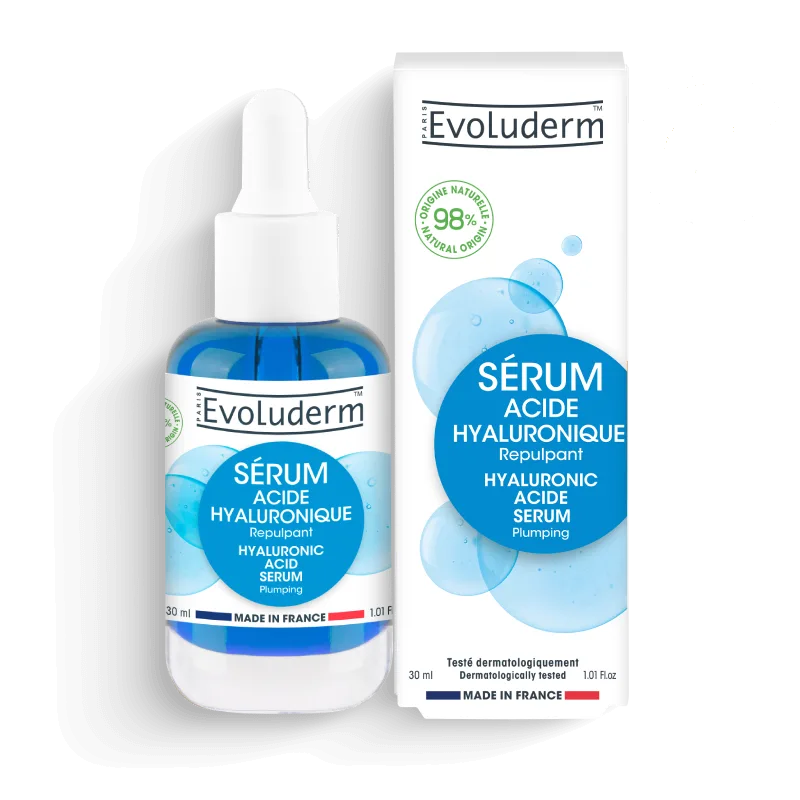
Tight Skin in Winter: Understanding the Signs and How to Respond In winter, it’s not uncommon to experience tightness, tingling, or a slight burning sensation after cleansing or at the end of the day… Don't panic—it's just your skin's way of telling you it needs a little love! ❄️💛 Understanding these subtle signs is the first step toward regaining comfort and flexibility, even when the temperature drops. How to tell the difference between dry skin and dehydrated skin: Between the cold, the wind, and constantly moving back and forth between the freezing outdoors and heated indoor spaces, your skin is put to the test. Its natural barrier—which is responsible for protecting it and retaining moisture—becomes more fragile… and that’s when the tingling starts. However, to treat it properly, it is important to know the difference between dry skin and dehydrated skin. Dry skin isa skin ty , just like oily or combination skin. It is skin that feels constantly tight—so it is not a temporary condition, but aconstant state. This dryness results from a dysfunction of the sebaceous glands, which are responsible for producing sebum. As a result, the skin lacks oils (lipids) and cannot effectively protect itself. In contrast, dehydrated skin is a temporary condition that can affect all skin types. It is characterized by a lack of water in the superficial layers of the epidermis. Dehydration is often linked to environmental factors (cold, wind, heating, pollution…), lifestyle habits (smoking, alcohol, stress, lack of sleep…), or the use of products thatare too harsh and weaken the skin barrier. It is therefore localized and temporary, depending on the climate. Tips for soothing your skin in winter: If your skin is dry, it needs to be nourished every day, both from the inside and the outside. Here are the steps you should take: Eat fruits and vegetables rich in antioxidants, which help protect the skin from external stressors 🍓🥕 Incorporate Vitamin B5— found in mushrooms, eggs, and muesli—to help restore the skin barrier Get Vitamin A, which is essential for healthy skin, from dairy products, egg yolks, and fish Finally, use appropriate moisturizing products, which are essential for soothing feelings of tightness: the Rich Body Lotion or the Nourishing Day Cream will help strengthen your skin’s barrier and restore comfort and softness to your skin Is your skin dehydrated? Here are some quick tips to restore its radiance: Drink about 1.5 liters of water a day to maintain good overall skin hydration 💧 At home: Set up a humidifier to maintain optimal humidity in the air Be mindful of daily irritants: a shower gel that’s too harsh or water with high mineral content can exacerbate dehydration. So be sure to choose the right cleansing products. Opt for gentle, soap-free products, such as the Pluie de Coco Detox Shower Gel, to cleanse without irritating the skin. Moisturize your body immediately after showering : Apply moisturizers with a light, non-sticky, non-greasy texture, such as the Monoï à la Folie Hydrating Body Lotion to gently nourish the skin. For the face, use the Plumping Hyaluronic Acid Serum before applying your moisturizer. The result: hydrated, comfortable, and radiant skin—even in winter 🩵
Read the article
An energetic tour to boost Evoluderm’s visibility
An energetic event where we’ll get to meet you From September 17 to 20, Evoluderm lit up the capital with a 100% glow street marketing campaign, entirely dedicated to our star Vitamin C line.For four days, our vibrant orange delivery tricycle reached out to several thousand passersby across Paris, from Rivoli to Saint-Michel, including stops at Beaugrenelle and Saint-Lazare. Our goal? To share a moment of togetherness and good cheer, to help you (re)discover our Vitamin C radiance treatments, and to offer everyone a little beauty break. A fun and lively event Throughout this tour, our teams invited the public to try out our flagship products and test their luck on our 100% win wheel!The result: more than 1,500 giveaways distributed and hundreds of smiles shared. It was a truly enjoyable time of camaraderie and connection with our wonderful Evoluderm community. These four energetic days were filled with encounters and shared experiences. We are happy to have had the opportunity to speak directly with our customers in an atmosphere that was as joyful as it was sunny. (Re)discover our Vitamin C Line Say goodbye to dull, tired-looking skin—the Vitamin C Line is ideal for cleansing, purifying, moisturizing, and restoring your skin’s radiance. Building on its success, the line is now expanding with two new body care products: the Radiance Body Cleansing Gel and the Radiance Moisturizing Body Lotion.
Read the article
Put an End to Skin Blemishes: Discover the 5 Most Common Mistakes
The 5 Common Mistakes That Cause Breakouts to Return Achieving clear, blemish-free skin can sometimes seem impossible, especially when pimples and blackheads keep coming back despite your best efforts. In most cases, these persistent blemishes are linked to daily habits that weaken the skin. Discover the 5 common mistakes to avoid to help prevent blemishes from returning. 1. Neglecting to cleanse your skin Improper cleansing is one of the main causes of skin blemishes. Washing your face too often or using harsh products can make your skin more sensitive and increase sebum production, which can lead to breakouts. How to Cleanse Your Skin Properly: Clean your face twice a day with a gentle cleanser suitable for your skin type. Avoid using water that's too hot and abrasive soaps. Finish with a purifying lotion to reduce shine and prepare the skin for further skincare. 2. Touch up or fill in imperfections Touching or squeezing the pimples may seem tempting, but it's a mistake that makes the blemishes worse. It promotes infection, spreads bacteria, and increases the risk of scarring. Be careful with the “home remedy” of using toothpaste on pimples! Toothpaste isn’t an effective solution for treating blemishes. It often contains irritants (fluoride, menthol, baking soda, etc.) that can irritate the skin, increase redness, and slow down healing. It’s better to use a topical treatment formulated specifically for facial skin. 💡Tip: Resist the urge totouch your face and use products specifically designed to treat blemishes. The SOS Pimples treatment is ideal for helping to dry out, correct, and visibly reduce blemishes on all skin types, even sensitive skin. 3. Neglecting skin hydration Many people believe that hydration causes breakouts. In reality, dehydrated skin produces more sebum, which can lead to breakouts. Our hydration tips: Choose a mattifying skincare product suitable for combination to oily skin. Moisturize your skin, even if it's oily, to maintain its natural balance. 4. Not adjusting your diet Keep in mind thatdiet plays a key role in skin health. Excessive consumption of sugar, processed foods, or dairy products can contribute to breakouts and blemishes in some people. What foods are recommended for fighting blemishes? Choose a varied and balanced diet that includes fruits, vegetables, whole grains, and lean proteins. Drink enough water to flush out toxins and keep your skin hydrated. Adults are recommended to drink at least 1.5 liters of water per day. Avoid ultra-processed or overly sugary foods, which can contribute to breakouts. 5. Changing your skincare products too often The skin needs time to adjust to new products. Changing your skincare routine too often can throw your skin out of balance and cause breakouts. We recommend introducing a new product into your routine gradually. As a general rule, it’s advisable to always test any new product on a small area of your face or body before applying it to the rest of your skin to ensure good tolerance. Next, it’s important to assess the product’s effects on your skin for at least 4 to 6 weeks before deciding whether it delivers the desired results. Finally, choose products that are suited to your skin type and specific needs. Conclusion Breakouts don’t have to be inevitable. By avoiding these 5 common mistakes and adopting a suitable skincare routine, you’ll increase your chances of having healthy, clear skin in the long run. Bye-bye, breakouts! Dull Complexion: What Routine Should You Follow to Restore Your Glow? READ THE ARTICLE
Read the article