


Evolumag



What is Astaxanthin?
What is Astaxanthin? Astaxanthin is a natural pigment with antioxidant properties, making it a valuable ally in the fight against skin aging. Increasingly used in skincare products, it stands out for its effectiveness and its many benefits for the skin. But what exactly are its benefits? Discover everything you need to know about this innovative and essential active ingredient. What is Astaxanthin? Astaxanthin is a natural pigment in the carotenoid family. It is found primarily in certain microalgae (Haematococcus pluvialis), but also in salmon and shellfish. It is recognizable by its intense orange-red hue. Its coloring effect is entirely natural and not synthetic.Nicknamed the “queen of antioxidants,” it has garnered attention for its protective and anti-aging effects, both as a dietary supplement and in cosmetics. The Benefits of Astaxanthin A well-known antioxidant This natural pigment combats the free radicals responsible for premature aging. It is considered to be up to 6,000 times more potent than vitamin C. Thanks to its unique molecular structure, this ingredient penetrates the membranes of skin cells and helps protect them from oxidative damage. An anti-aging ally for the skin Astaxanthin helps reduce the appearance of wrinkles and fine lines while protecting collagen and elastin, resulting in firmer, smoother, and more resilient skin. Astaxanthin and Beauty: The Example of the Carrot Healthy Glow Concentrated Serum Astaxanthin blends perfectly with other natural ingredients rich in carotenoids, such ascarrots, which are known for their skin-brightening and illuminating effects. At Evoluderm, the Carrot Glow Concentrated Serum is formulated to provide: A radiant glow and a natural tan thanks to carrot extract. Antioxidant protection that complements the action of astaxanthin against free radicals. A light treatment for the skin, ideal for restoring a fresh, radiant complexion. Incorporating this innovative ingredient into your diet and using a carotenoid-rich face se , such as the Carrot Concentrated Serum for a Healthy Glow, provides a comprehensive approach to achieving radiant skin every day. I'M EXPLORING FAQ Is astaxanthin suitable for all skin types? Yes, astaxanthin is suitable for all skin types, even sensitive skin. Thanks to its antioxidant and soothing properties, it helps protect the skin barrier and reduce the visible signs of fatigue or oxidative stress. Does astaxanthin help you look healthy? Yes, thanks to its natural orange color and high carotenoid content, it gives the complexion a radiant glow. When incorporated into skincare products like the Evoluderm Carrot Glow Serum, it enhances the healthy glow. What is the difference between astaxanthin and beta-carotene? Astaxanthin and beta-carotene both belong to the carotenoid family, but astaxanthin is a more effective antioxidant and offers greater protection, particularly for the skin. Spotlight on Our New Carrot Glow Concentrated Serum READ THE ARTICLE Sources Cyanophy Laboratoires - https://cyanophy.com/astaxanthine - Astaxanthin, the queen of antioxidant carotenoids Biogena France - https://biogena.com - What Is Astaxanthin? Benefits, Effects, Uses, and Dosage PubMed - https://pubmed.ncbi.nlm.nih.gov/32202443/ - Effects of Astaxanthin Supplementation on Skin Health
Read the article
Sunburn Emergency: How Can I Repair My Skin?
After sun exposure: gently soothe and rehydrate your skin Summer is in full swing, sunny days are becoming more frequent… and your skin is drying out faster than usual. It’s essential to take care of it. Redness, heat, tightness: your skin is thirsty! In this article, we'll walk you through the process step by step to soothe and rehydrate your skin gently with simple steps and the right skincare products. How can you prevent sunburn? A sunburn is a skin burn caused by overexposure to UV rays, particularly UVB rays. It manifests as redness, a sensation of heat, tightness, and even blisters in the most severe cases. The most exposed areas (face, shoulders, neckline, and back) are at the highest risk. It is a warning sign from your skin : that it has been damaged and needs immediate repair. A sunburn is never harmless. It weakens the skin, accelerates skin aging, and can have long-term consequences. Be careful, limit direct sun exposure between 11 a.m. and 3 p.m., when UV rays are at their strongest. Be sure to apply a generous amount of sunscreen sunscreen with an appropriate SPF every two hours, even in the shade or after swimming. Also be sure to protect sensitive areas : wear a hat or cap to shield your face, and cover your shoulders with a scarf or light clothing. What to Do If You Get Sunburned Even with sun protection, you can still get sunburned. If this happens, you need to act quickly; there are a few steps you can take to soothe the affected area and minimize the damage. Here are the key steps to remember: Go into the shade or indoors immediately Refresh your skin with lukewarm water or a damp compress. Although you might be tempted to soothe the burn with ice or very cold water, this can actually make the damage worse. Excessive cold can cause frostbite and further irritate the skin! Drink plenty of water to rehydrate your body from the inside out Do not pop any blisters that may appear Avoid further sun exposure on the affected area for several days. The duration will depend on the severity of the burn. Warning: Applying sunscreen will not be enough to protect your already damaged skin! Apply a suitable cream for medical use, available at pharmacies, to help the skin heal After prolonged exposure: Take care of your skin with the right products After any sun exposure—except in cases of sunburn, when specific measures should be taken—we recommend using a spray bottle ofPure Water that has been stored at room temperature. This will soothe the skin after sun exposure and gently rehydrate it. I WANT IT For the body, after refreshing the area, regularly apply a light, alcohol-free moisturizing lotion to skin that is still slightly damp. This helps lock in moisture, provides an immediate feeling of freshness, and supports cell regeneration. A formula containing aloe vera, for example, is ideal for soothing and moisturizing the skin. At Evoluderm, we recommend using the Aloe Vera Moisturizing Body Lotion. For the face, apply the Aloe Vera Hydrating Sheet Mask the very next day to soothe any discomfort and moisturize the upper layers of the sensitized skin. Finally, apply a light moisturizer morning and night. I WANT IT I WANT IT Take care of your skin—it'll thank you for it! Summer Hair: What Should You Do After the Beach or the Pool? READ THE ARTICLE
Read the article
Summer Hair: What Should You Do After the Beach or the Pool?
Summer Hair: What Should You Do After the Beach or the Pool? Summer is synonymous with sunshine, vacations, and swimming in the ocean or the pool... But it’s also a tough time for your hair. Between UV rays, salt water, and chlorine, it can quickly become dry, dull, and brittle. So, what can you do to keep your hair looking radiant all summer long? We’ll guide you through some simple steps and the right hair care products! Summer's hair enemies: sun, salt, chlorine... We often think about protecting our skin in the summer—with sunscreen and moisturizer—but we forget that our hair, too, is exposed to a lot of damage. Among the main culprits are: The sun: UV rays penetrate the hair’s structure, weakening it from the inside and making it more brittle, dry, and dull. In addition, prolonged exposure alters the hair’s color, causing gradual fading and a loss of luster. Saltwater: Rich in minerals, it has a drying effect on the hair. It lifts the cuticles that form the protective layer of the hair shaft, making the hair more vulnerable, rough to the touch, and difficult to style. Over time, this contributes to dehydration and exacerbates split ends. Chlorine in swimming pools: It’s a harsh chemical that damages not only the hair shaft but also the scalp. It can cause itching, irritation, and leave a dull residue on the hair strands. On blonde or colored hair, it can even cause unattractive greenish tints. Sand and wind:Sand gets trapped between strands of hair, causing friction and discomfort, while the wind tangles the hair, leading to knots that are difficult to untangle. This weakens the hair shafts and causes split ends. As you’ve probably figured out, protecting and pampering your hair in the summer is a must! To avoid all these hassles, we recommend adopting a few simple habits—both before and after those sunny days—when the motto is: sunbathe, take a dip… and do it all over again! What to Do Before Going to the Beach or the Pool We've put together a list of the best steps to take before spending the day at the beach, at the pool, or simply before going out in the sun. First, apply a hair oil to create a protective barrier against salt and chlorine. We recommend theHuile Sublimatrice Huile Précieuse, which combines two oils with proven benefits: argan oil and evening primrose oil. Together, they help maintain hydration and protection! I WANT IT Next, to limit sun exposure and prevent tangles, it's recommended that you tie your hair back. Braids and buns are still the best protective hairstyles for summer. 💡Tip: For an effective protective hairstyle, avoid pulling or tying your hair too tightly, as this could weaken or even break the hair shaft. Instead, opt for soft hair ties like scrunchies or spiral-style ones, which are gentler on your hair. Finally, don't forget to wear a hat, a cap, or a scarf to protect your hair from UV rays (or your head from sunstroke!). What to Do After a Trip to the Beach or the Pool Now that we've really enjoyed our day, it's time to move on to our post-beach/pool hair care routine! Here are the key steps to repair and rehydrate your hair: 1. Rinse immediately with clean water As soon as possible, rinse your hair with fresh water to remove salt, sand, or chlorine. This prevents these irritants from becoming permanently embedded in the hair shaft. 2. Use a gentle, restorative shampoo Choose the Evoluderm Délice de Karité Repairing Shampoo from the Evoluderm line, ideal for nourishing and revitalizing the hair shaft. It gently cleanses to leave hair stronger. I'M FALLING FOR IT 3. Apply a mask or a deep-conditioning treatment For complete care and optimal results, use this shampoo in combination with the Délice de Karité Repairing Hair Mask. Two to three times a week, on clean, towel-dried hair, apply the mask to the lengths and ends. Leave on for 3 to 5 minutes, then rinse thoroughly with clean water. I'M FALLING FOR IT 4. Moisturize daily with a leave-in treatment Finally, we recommend that you apply the Délice de Karité Ultra-Repairing Care Cream to dry or damp hair. Work it through the lengths, focusing on the ends, and style your hair as usual. This leave-in treatment nourishes your hair throughout the day without weighing it down. It acts as a protective barrier against external aggressors. I'M FALLING FOR IT So summer doesn’t necessarily mean damaged hair! With the right habits and a tailored hair care routine, you can enjoy the sun and the beach while keeping your hair looking its best. So, grab your towels, swimsuits… and hair care products! How can you boost hair growth in the summer? READ THE ARTICLE
Read the article
Facial Yoga: The Natural Anti-Aging Method for Firming the Skin
Facial Yoga: A Natural Anti-Aging Method for Visibly Younger-Looking Skin Facial yoga is that little wellness gem that’s starting to make a name for itself! Still relatively unknown, but already beloved in the United States, Japan, and England, it was introduced to France by Sylvie Lefranc. This gentle, natural method offers a real refresh: reduced wrinkles, firmer skin, and more relaxed features… You don't have to be a pro or spend hours on it. Just a few simple steps, 10 minutes a day, and the signs of aging better watch out! What exactly is facial yoga? Originating in the late 1970s, facial yoga combines muscle exercises and self-massage to stimulate microcirculation, tone the facial muscles, and restore firmer, more radiant skin. Lips, cheeks, forehead, eye area, chin—every area is targeted… no area is left out! Just like yoga for the body, facial yoga aims to strengthen muscles, but in this case, it’s the facial muscles that get a workout. The result? A natural and effective routine that acts as a true anti-aging treatment, day after day. 💡 Did you know? The face is made up of about 50 facial muscles, from the forehead to the neck, which you can activate to naturally tone and sculpt your features! The Anti-Aging Benefits of Facial Yoga Unlike invasive cosmetic procedures, facial yoga is based on natural techniques. It promotes blood circulation, stimulates collagen production, and helps eliminate toxins. These benefits help firm the skin deep down, which helps delay the aging process. In addition, this practice has a relaxing effect on the facial muscles, thereby reducing the tension that often causes expression lines. Incorporating facial yoga into your daily routine is therefore a holistic and sustainable approach to achieving visibly younger-looking skin. Key benefits to remember: Reduction of wrinkles and fine lines: Facial yoga acts as a natural anti-aging treatment. It promotes the production of collagen and elastin, two key components for firm, supple skin. By doing the exercises regularly, you can reduce the appearance of forehead wrinkles, crow’s feet, and fine lines around the mouth. A fresh, radiant complexion: Facial yoga improves blood circulation and boosts the supply of oxygen and essential nutrients to the skin. This enhances oxygenation of skin cells, resulting in a fresher, more radiant complexion. Plus, using a natural oil, such asthe Nourishing Beauty Oil with Argan Oil, deeply moisturizes the skin, leaving it soft and revitalized! Reducing stress and facial tension: Finally, facial yoga helps achieve a more relaxed face by releasingmuscle tension, which is often responsible for the premature appearance of expression lines. Facial Yoga Exercises for Anti-Aging Benefits Discover 6 targeted facial exercises inspired by the advice of Sylvie Lefranc, an expert in facial yoga and natural anti-aging techniques. 💡Tip: Do these exercises while applying your skincare product to kill two birds with one stone! We recommend using a plant-based oil or a nourishing, lightweight cream that you’ve warmed up in your hands beforehand. I WANT IT I'M FALLING FOR IT Before you begin, be sure to wash your hands thoroughly to avoid transferring bacteria or impurities to your face during your facial yoga exercises. Exercise 1: Smooth out the forehead wrinkles and the frown line Place your palms on your forehead, then smooth your eyebrows toward your hairline. Finish by sliding your fingers to encircle the top of your forehead, at the hairline. Repeat this motion 10 times. Exercise 2: Reducing Puffy Eyes and Dark Circles Place your middle finger at the inner corner of your eye. Using your index finger, gently smooth the area under your eye outward. Repeat this motion 10 times. We recommend applying an eye cream to protect this delicate area. Exercise 3: Toning the Lips and Cheekbones Smile while keeping your lips pursed. Then, gently pull your cheeks inward toward the inside of your mouth, without furrowing your brow. Repeat these two movements 5 times. Exercise 4: Reducing wrinkles around the lips Smile exaggeratedly. Using your fingers, gently pull the corners of your mouth up toward your temples. Hold this position for 30 seconds. Finish by gently pinching the fine lines around your lips. Exercise 5: Tightening the Facial Contour Pronounce the letters “o,” “a,” “u,” and “i” clearly by opening your mouth wide. Exaggerate your pronunciation to engage the muscles in the lower part of your face. Repeat as many times as possible. Exercise 6: Reducing a Double Chin Move your lower lip over your upper lip, which will naturally lift your chin. Hold this position for about 8 seconds. Release, then repeat 10 times. Now you know everything you need to get started with facial yoga... This super-easy method requires no special equipment and takes just a few minutes each day. Practice it as much as you like—in front of the mirror and even in your pajamas! Taking Care of Your Skin After a Workout READ THE ARTICLE
Read the article
Say goodbye to irritation: prepare your skin before waxing
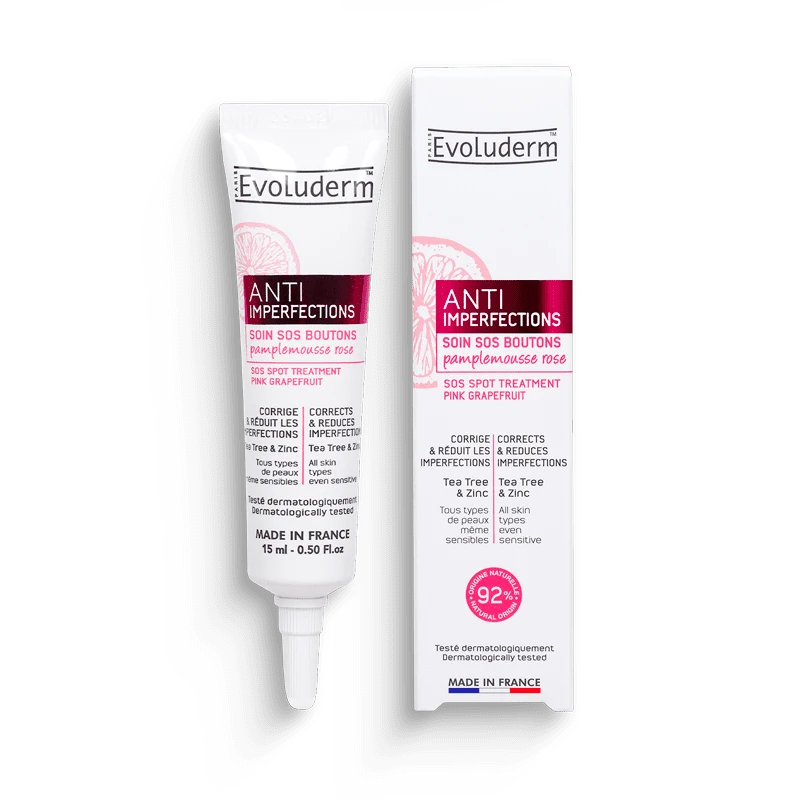
Say goodbye to irritation: prepare your skin before waxing! Hair removal promises soft, clear skin, but it can also cause some discomfort: redness, irritation, ingrown hairs, or small pimples . Fortunately, these side effects are not inevitable! Preparing your skin a few daysbefore waxing can make all the difference. And because we take care of you right to the end, we're also sharing our post-waxing tips with you! Follow our tips to turn your hair removal session into a real moment of pampering. Why prepare your skin before hair removal? Hair removal is the process of removing hair, either temporarily or permanently, from one or more areas of your body. There are different methods depending on your needs and budget: wax , razor, depilatory cream , electric epilator, pulsed light, laser, and more. Regardless of the method used, hair removal is harsh on the skin. Without preparation, it can cause skin reactions, especially in sensitive areas such as the legs, bikini line, or underarms. Preparing your skin before hair removal allows you to: Reduce redness and irritation Limit ingrown hairs and pimples Prolong softness and delay regrowth Make hair removal more effective and less painful As you will have understood, by properly preparing your skin before hair removal, you optimize the results, minimize irritation and enjoy smooth skin for longer. The pre-hair removal routine A few days before, exfoliate and moisturize If you want to do a hair removal session at home , it is best to plan the treatment 3 to 4 days in advance. The pre-hair removal routine starts with exfoliation . It rids the skin of dead cells, makes it soft, and makes hairs easier to remove . But that's not all: exfoliation is also your ally against ingrown hairs that grow under the skin and can be painful. By exfoliating regularly, you help your skin stay clear and give the hairs every chance of growing straight out. We recommend opting for one of our ultra-melting body scrubs with captivating scents! I WANT IT The second step of preparation is hydration . Regardless of the type of hair removal, 24 hours before, apply the Gentle Oil to the affected areas (excluding intimate areas) to hydrate and prepare your skin. Enriched with Sweet Almond Oil, this oil can also be applied to the face. I DISCOVER On the big day, before and during hair removal On the big day, adapt your routine to your hair removal method to ensure optimal results. If you're using cold wax strips or hot wax, be careful not to apply moisturizer or oil before waxing. This will prevent the wax from adhering properly to the skin. How to use our cold wax strips? Warm the strips between your hands for 15 to 30 seconds, then gently peel them off. Apply the wax strip in the direction of hair growth, pressing with the palm of your hand to ensure it adheres perfectly to your skin. Then, hold your skin taut with one hand and, with the other, remove the strip with a quick motion. If you prefer a razor, apply a thin layer of Huile Douceur to wet skin before shaving to help the blade glide. I WANT THEM How to reduce pain during waxing? Apply a little cold to the area to be waxed! Cold acts as a natural anesthetic, reducing skin sensitivity and limiting inflammation. Simply applying a gel pack from the freezer or an ice cube covered with a thin cloth is enough to soothe the skin and make the waxing session much more bearable. The post-hair removal routine Here are some good habits to soothe your skin after hair removal: Redness, irritation, or itching may occur after hair removal, especially in sensitive areas. To calm the skin and avoid reactions, it is essential to adopt a suitable post-hair removal routine. Once waxing is complete, immediately apply a small amount of Huile Douceur to remove wax residue using a cotton pad, then massage gently to soothe the skin. After shaving, massage a few drops of Huile Douceur into your skin to soothe irritation and prevent razor burn. Immediately after waxing or shaving, avoid creams that are too rich , as they can suffocate the skin and increase irritation. Opt for light-textured body lotions enriched with soothing agents like Aloe Vera, which calm the skin while gently moisturizing it, whether after shaving or waxing. I TEST If you have waxed your face or underarms , wait at least 12 hours before applying makeup or using deodorant. This will give your skin time to regenerate without further damage. In short, a beautiful hair removal experience starts well before the big day and continues afterward! By carefully preparing your skin and adopting the right post-hair removal techniques, you can limit irritation, boost the effectiveness of your routine, and keep your skin soft, smooth, and soothed for longer. SOS ingrown hairs: our tips for getting rid of them READ THE ARTICLE
Read the article
8 tips for taking care of your feet
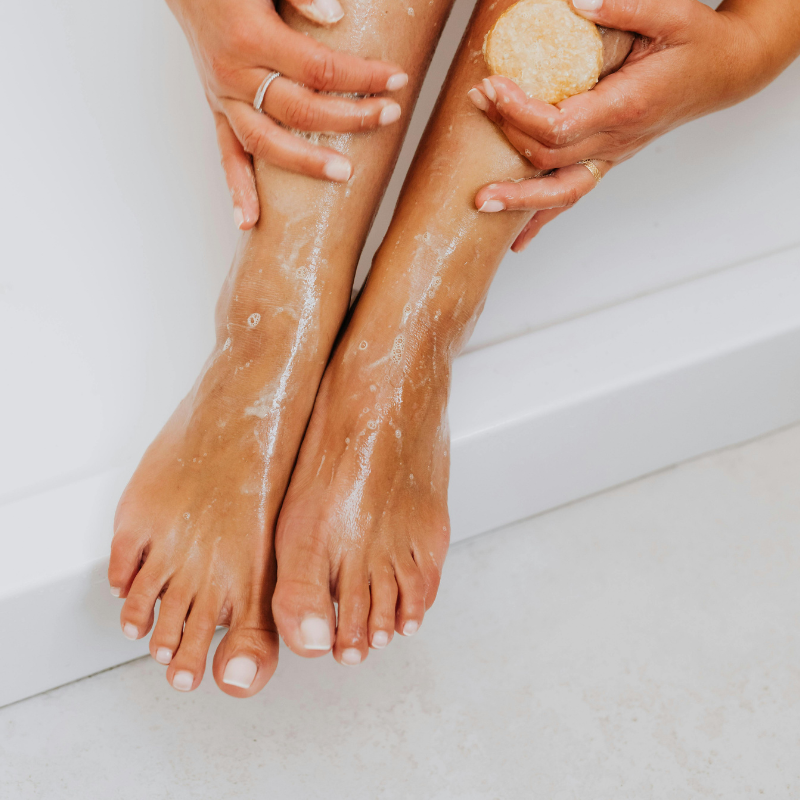
Foot care: 8 tips you absolutely need to know We often forget about them, and yet... our feet carry us all day long! So, they too deserve to be pampered. Adopting a regular routine is the key to keeping your feet beautiful, soft, and in great shape. In this article, we have put together 8 simple and effective tips for taking care of your feet every day! 1. Clean your feet daily Daily cleansing with warm water and shower gel is essential for keeping feet healthy . Remember to dry them thoroughly, especially between the toes, to avoid moisture and the risk of infection. I WANT IT 2. Weekly exfoliation Once or twice a week, exfoliate in the shower. This ritual removes dead skin cells, softens rough areas like heels, and prevents calluses . Evoluderm Smoothing Foot Scrub is enriched with Shea Butter and Volcanic Rock Particles. Its creamy texture gently exfoliates dry and damaged feet, leaving them smooth and nourished. Apply it to dry or wet feet, paying particular attention to rough areas, then rinse thoroughly. 💡 Tip: Before exfoliating, you can soak your feet in warm water for 10 to 15 minutes. This will soften the skin and make it easier to exfoliate dead skin cells. I DISCOVER 3. Hydrate intensely After exfoliating your feet, the skin is free of dead cells, making it more receptive to care. This is the perfect time to apply a moisturizer to your feet. It penetrates better, nourishes deeply, and helps rebuild the skin barrier. The result? Soft, smooth, and protected feet. I BUY 4. Massage and relax your feet Massaging your feet is more than just a moment of well-being. In just a few minutes, this gesture helps boost circulation, soothe stress, and relieve tension accumulated throughout the day. It's also an excellent ritual to promote restful sleep. We recommend using massage oil to facilitate movement. After a long day, a workout or during a heatwave, your feet and legs are the first to suffer. To reduce feelings of discomfort and preserve the vitality of your feet and legs , use and abuse refreshing gels with an "ice cube effect" texture that instantly relaxes. Apply a generous amount to each of the soles of your feet, massage them, then move up towards the legs using upward movements to promote the activation of blood circulation and thus reduce the feeling of heavy legs. 💡 Tip: For even more freshness, you can place your refreshing gel in the fridge 30 minutes before application! I'M CRACKED UP I NEED IT 5. Cut your nails properly Cut your toenails straight across, meaning without rounding the corners, to avoid ingrown toenails. We also recommend using a nail file to even them out. 6. Wear suitable shoes Choose comfortable, well-fitting shoes to avoid friction and pain. Choose breathable materials and avoid plastic shoes. 7. Think about socks! Choose socks made of cotton or natural fibers , which absorb perspiration and reduce friction. Change them daily and avoid synthetic materials, which are often responsible for unpleasant odors and irritation. 8. Walk barefoot (in moderation) At home, walking barefoot stimulates blood circulation and strengthens the foot muscles . But be careful: on hard or cold surfaces, it's best to wear comfortable slippers or insoles to protect your joints. By incorporating these 8 simple and effective tips into your routine, you'll not only improve the appearance of your feet, but also prevent pain, discomfort, and minor everyday aches and pains. Whether it's with relaxing foot baths, our foot treatments , or good hygiene, taking care of your feet remains an essential wellness practice! SOS heavy legs: how to fix it? READ THE ARTICLE
Read the article
How to choose your face mask?
What is the best mask for my face? The famous Sunday evening ritual: face mask on, series on, and the beauty routine can begin! Whether purifying, hydrating, or soothing, face masks offer a moment of well-being and address several skin concerns. But with all the options out there, it's hard to know where to start... Dry, oily, or sensitive skin? Find out how to choose the ideal face mask for your skin type ! How to identify your skin type? The first step is to understand your skin type so that your face mask is effective. To help you, we've put together a mini guide detailing the specific characteristics of each skin type. Dry skin: You often feel tightness and discomfort due to a lack of nutrition. Your skin needs moisturizing and nourishing care. Oily skin: You have excess sebum, shine, and often imperfections. You should prioritize purifying and regulating skincare products. Combination skin: You have excess sebum in your T-zone (forehead, nose, and chin) but dry cheeks. You need a balanced routine by combining two different masks: one purifying and one hydrating. Sensitive skin: If you experience redness or frequent reactions to certain cosmetic products, you may need soothing relief. We recommend opting for gentle, hypoallergenic masks. Normal skin: It's balanced and you don't have any particular problems. Regular maintenance is enough to keep it healthy. Which mask for which skin type? There are several types of face masks. At Evoluderm, each one addresses a specific issue. Each face mask comes in different textures: cream, gel, fabric... it's up to you to choose according to your preferences. The fabric mask has a quick and convenient side that allows you to take it anywhere. Dry skin If your skin is dry, choose a hydrating mask : in cream or fabric form, it is perfect for nourishing and restoring radiance. I DISCOVER I WANT IT Combination to oily skin For combination to oily skin, the purifying clay mask will be your best ally. It purifies, tightens pores, and absorbs excess sebum. Combination skin can apply it only to the T-zone. At Evoluderm, we have specially designed a 2-in-1 anti-blemish mask that cleanses and purifies combination to oily skin. I'M CRACKED UP I BUY Sensitive skin Sensitive skin should opt for soothing masks : enriched with aloe vera, chamomile or calendula, they help reduce redness and discomfort. I WANT IT Normal skin If you don't have any specific issues, you can opt for a "pleasure" mask to enjoy a moment of well-being that's always appreciated! Our healthy-looking carrot mask is perfect for enhancing a dull complexion and restoring your skin's natural radiance. Try it, you'll love it! I WANT IT How to use a face mask? To get the most out of your face mask , here are some essential steps to follow: Step 1 : Cleanse your skin with a gel or micellar water before application, to remove impurities and makeup if necessary. Step 2 : Apply the mask, making sure to leave it on for the specified duration on the product. Applying the mask too briefly will reduce its benefits, while leaving it on too long can cause irritation. Step 3: Rinse thoroughly with lukewarm water or remove the mask by massaging the excess (depending on the type used). Step 4: Always moisturize your skin afterward, even if the mask itself was moisturizing. Frequency of use: Apply your mask 1 to 2 times a week maximum to maintain your skin's balance. As you can see, the best face mask is the one that perfectly matches your skin type and its needs. The key is to listen to your skin. Don't hesitate to experiment with several options and adapt your routine with the seasons. Why exfoliate your skin before applying your face mask? READ THE ARTICLE
Read the article
How to boost hair growth?
How to boost hair growth? Growing your hair can sometimes seem like an impossible mission, especially when patience isn't one of your strengths (oops...)! The good news is that there are natural and accessible solutions to stimulate hair growth, strengthen hair lengths, and prevent breakage. From simple daily actions to targeted treatments and a suitable diet, discover in this article everything you need to know to help your hair grow faster and healthier. Understanding the Hair Growth Cycle Why am I losing so much hair every day? How long does a hair last? You've probably already asked yourself these existential questions... Whether you have straight, curly, frizzy, dry, or oily hair, it develops in the same way. The hair cycle is divided into three phases: anagen, catagen, and telogen. Anagen phase: hair growth The anagen phase is the period of active hair growth. It lasts approximately 3 years in men and up to 5 years in women. During this period, the hair bulb is very active: it produces keratin, allowing the hair to form and grow. Catagen phase: hair regression This relatively short phase (2 to 3 weeks) marks the transition between hair growth and rest. The hair follicle shrinks and becomes inactive. The connection between the hair bulb and its nutrient base is broken. At this stage, the hair no longer grows, but remains attached to the scalp for a certain time. Telogen phase : hair resting Before falling out, the hair enters a resting phase that lasts approximately 2 to 3 months. During this time, the hair remains lodged in the scalp but is no longer nourished. It eventually falls out, usually pushed out by a new hair that is beginning to grow. As long as the hair has not exhausted its number of natural cycles (around 25), it can fall out and then grow back again. Causes that slow hair growth Before looking for solutions to speed up hair growth, it's important to understand what can slow it down. Sometimes, it's not the hair that's growing slowly, but rather internal or external factors that are preventing it from reaching its full potential. Here are some common causes to consider: An unbalanced diet Hair needs vitamins, minerals, and proteins to grow. Deficiencies in biotin, iron, zinc, or B vitamins can weaken follicles and slow hair growth, or even cause excessive hair loss. If you're interested in this section, skip to the end of this article! Stress and fatigue Chronic stress or prolonged lack of sleep can disrupt the hair cycle by causing it to transition prematurely into the telogen phase. As a result, hair stops growing or falls out more easily. Overly aggressive hair care Harsh shampoos, excessive heat from hair dryers and straighteners, frequent coloring, or tight hairstyles weaken the hair fiber. This leads to breakage, which makes the hair appear to be stunted, even though it actually breaks before reaching a good length. Our tips for growing hair faster Hair care to favor Here are the hair products you should prioritize: Stimulating vegetable oils Of all the vegetable oils available, castor oil remains the best for promoting hair growth. It's very thick and can be mixed with coconut oil for easier application. Once a week, massage this mixture into your scalp and leave it on for at least 30 minutes. Then, shampoo and rinse thoroughly. I WANT HER I BUY Gentle silicone-free shampoos Silicones are synthetic ingredients that leave a film on your scalp, which in the long run prevents your hair from receiving the nutrients it needs for growth. Therefore, choose shampoos with gentle, silicone-free formulas rich in natural-origin active ingredients that cleanse without stripping and that will help your hair grow faster in the long run. I'M CRACKED UP I DISCOVER Daily actions to adopt Here are some simple but effective steps for rapid hair growth: Massage the scalp regularly It is recommended to massage your scalp for 3 to 5 minutes every time you shampoo your hair. This stimulates microcirculation, which promotes nutrient delivery to the hair follicles. You can do this with your fingertips, head down, or using a silicone massage brush. Space out washes Washing your hair too often can dry out the scalp or stimulate excessive sebum production. We recommend washing your hair 2 to 3 times a week at most with a gentle, suitable shampoo . You can also alternate with a purifying dry shampoo, which will help absorb excess sebum. I WANT IT 💡Tip: If you exercise regularly, or even daily, you don't need to wash your hair every time. A simple rinse with clean water is often enough to remove sweat and impurities, without damaging the scalp! Leave your hair down as often as possible Overly tight hairstyles weaken the roots. We recommend opting for gentle ties using metal-free elastics and satin or silk scrunchies to prevent breakage due to friction. Sleeping on a satin or silk pillowcase This type of material reduces friction during the night, which limits breakage and preserves the hair's natural moisture. SOS pollinated hair: our tips for purified hair READ THE ARTICLE
Read the article
Dull complexion: tips for restoring radiance to your skin
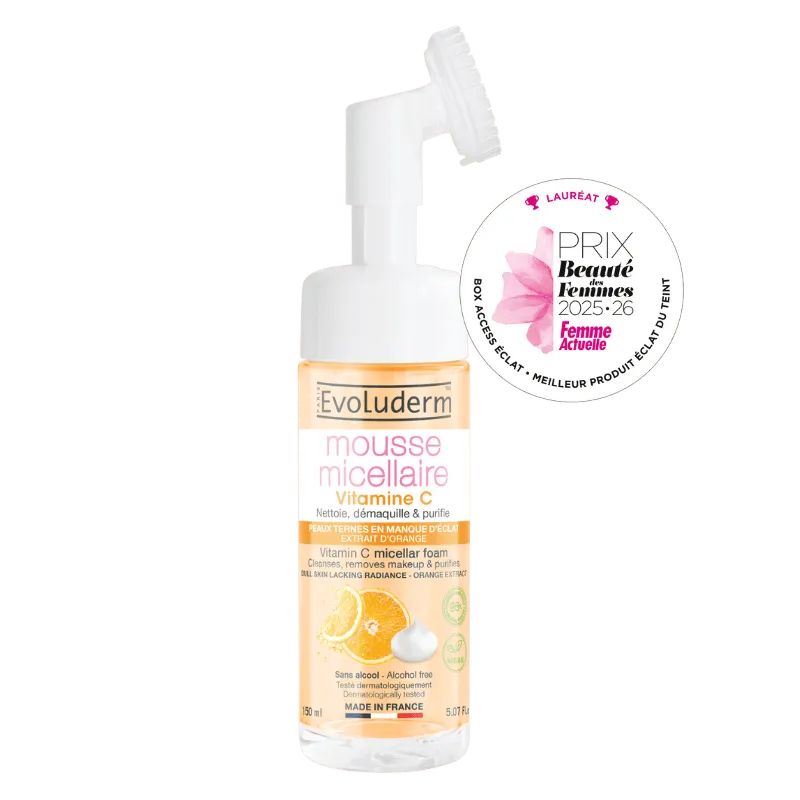
Dull complexion: what routine should you adopt to restore your radiance? “Do you look tired today?” — that little comment we love (or don’t)… It’s time to say goodbye to dull skin! If your skin lacks radiance, has uneven skin tone and texture, don't panic: you've come to the right place. In this article, we share with you our routine and our best tips for regaining luminous skin and a fresh complexion , with ease. Why do I have a dull complexion? It's not always easy to understand the causes of such a dull complexion... Yet, the causes are often simple and well-known. Lifestyle, environment, daily habits: several factors can influence the appearance of your skin. There's a good chance you'll find yourself in one of the following situations. Lack of sleep , stress , hormonal changes , and even the natural aging process of the skin can slow down cell renewal, making the skin appear less radiant. It is also noted that people with poor blood circulation or insufficient skin cleansing also slow down oxygenation and the elimination of toxins, which accentuates the loss of radiance. Added to this are external aggressions such as the cold , pollution , excessive exposure to UV rays , tobacco or even excessive alcohol consumption. Result: the face looks tired, the skin loses its natural radiance and appears duller. But how can we remedy this? How can we combat the dull complexion? The benefits of vitamin C for a radiant complexion To overcome that dull complexion: Vitamin C is your best friend! This miracle active ingredient is well-known for its benefits on skin radiance: it helps combat dullness, reduce pigment spots, and stimulate collagen production. Discover how to use it effectively every day with a tailored 3-step routine. 1. Gentle but effective cleansing The first essential step: the famous double cleanse to remove impurities, sebum, and pollution particles that dull the complexion. Start with a cleansing oil and finish with a gentle cleansing gel suited to your skin type. The goal is to purify without stripping, for clear skin that's receptive to subsequent treatments. I'M CRACKED UP 2. Perform regular exfoliation Exfoliation smooths skin, unclogs pores, and removes dead skin cells that cause dullness. Depending on your skin's sensitivity, opt for mechanical (fine-grain) or chemical (acid) exfoliation . Once or twice a week is enough to revive radiance without weakening the skin barrier. I WANT IT 3. Hydrate deeply Well-hydrated skin reflects light better and appears plumper. Incorporate a serum rich in hydrating actives like hyaluronic acid, glycerin, or aloe vera, followed by a nourishing cream to seal in moisture . The result: a fresh, supple, and luminous complexion. 💡Tip : Combine Vitamin C with active ingredients like niacinamide. This will help smooth skin texture, reduce unevenness, and boost radiance. To do this, try our Vitamin C Radiance Cream, enriched with Orange Extract and Niacinamide, for smooth, plump skin. I BUY I DISCOVER Complementary actions to combat a dull complexion To restore radiance and vitality to a dull complexion, cosmetic treatments aren't always enough. Adopting a comprehensive beauty routine that takes into account your inner well-being can make all the difference. Protect your skin from the sun and limit prolonged exposure : even on cloudy days or in winter, UV rays remain active. Applying sunscreen every day helps prevent premature skin aging and a dull complexion. Adopt a regular sleep schedule : Lack of sleep is immediately reflected on the skin. Restorative sleep helps regenerate the epidermis and revives the complexion's radiance. Drink between 1.5 and 2 liters of water per day : Skin is made up of 70% water, which means that all skin types, whether dry or oily, require good hydration. This starts from the inside out: it's essential to drink enough water and eat foods rich in water, such as cucumber or watermelon, for example. Limit smoking : Tobacco slows blood circulation and dulls the complexion. Cutting down on smoking is crucial for preserving your skin's natural radiance. By combining these actions with targeted cosmetic treatments, you give your skin every chance of regaining its natural radiance, day after day. Glass Skin: the glass skin trend in 5 steps READ THE ARTICLE
Read the article